Products
Our Technology
Sustainability & Compliance

Home / Blogs / All Chemical Reports / What is SLES ?

What is SLES ?

Authored by
Nicky Dandwani
Published On
1st Jun 2024
● 3 minutes read
FacebookTwitterLinkedInLinkedIn

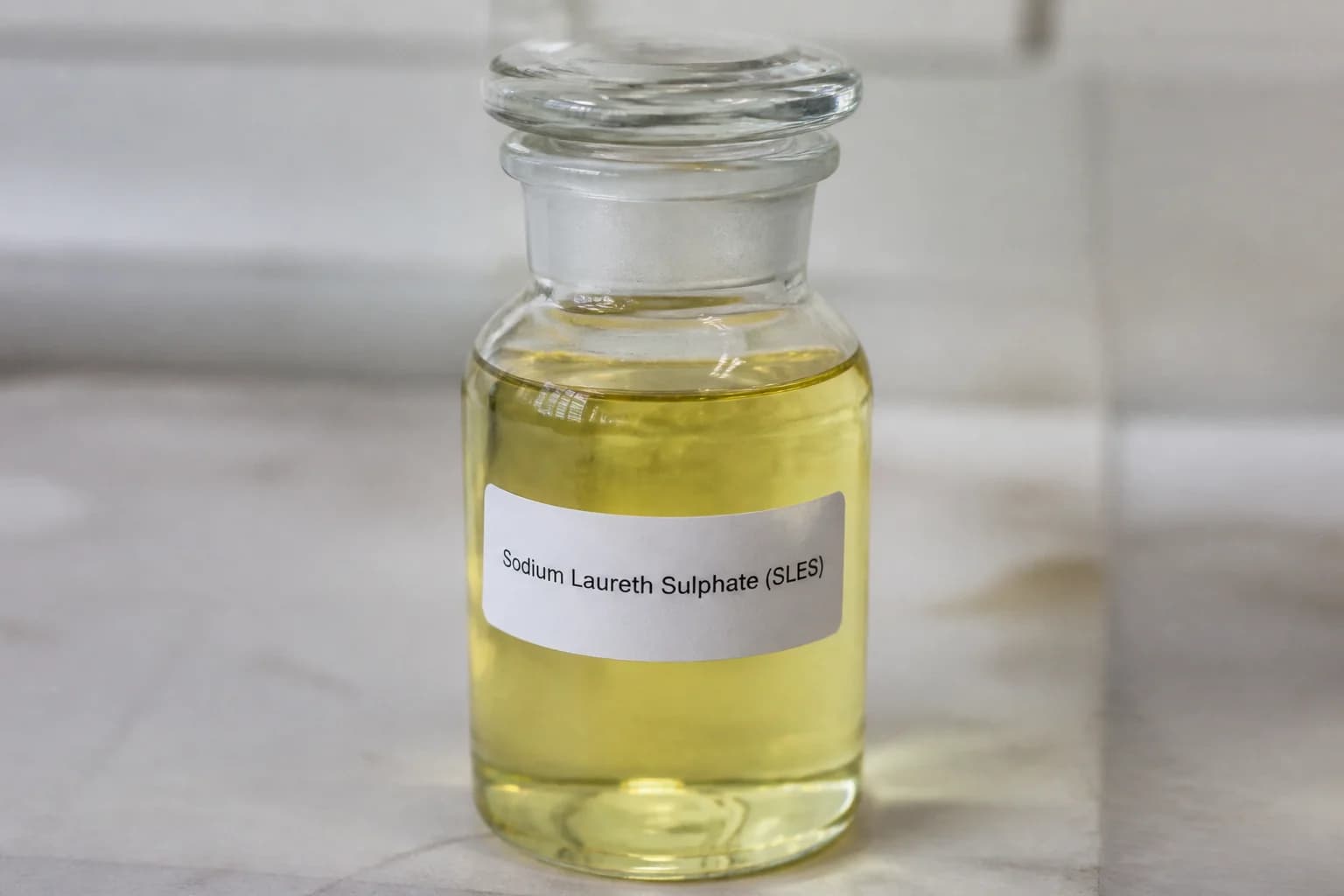
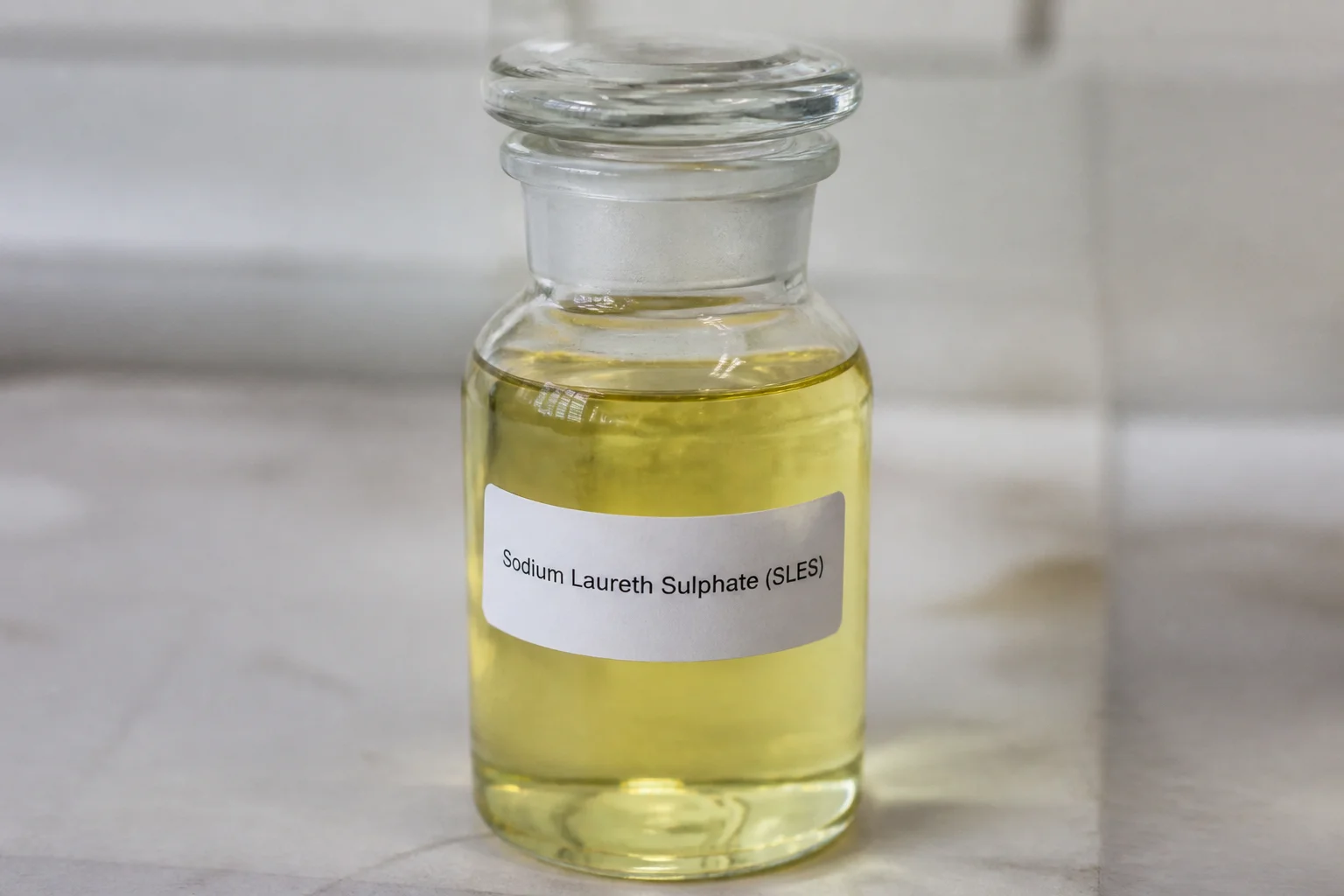
Sodium Laureth Sulfate (SLES) is a widely used surfactant in the personal care and cleaning product industries. Chemically known as sodium lauryl ether sulfate, SLES is an anionic detergent and surfactant found in many personal care products such as soaps, shampoos, and toothpaste, as well as in industrial cleaning agents. Its popularity stems from its excellent foaming and emulsifying properties, which are crucial for the effectiveness and consumer appeal of these products.

Structure

Structurally, SLES is derived from ethoxylation of dodecanol (lauryl alcohol), followed by subsequent sulfation and neutralization. The chemical structure can be summarized as CH₃(CH₂)₁₀CH₂(OCH₂CH₂)nOSO₃Na, where “n” denotes the number of ethoxy groups, typically ranging from 1 to 3 in commercial products. This molecular structure is responsible for its amphiphilic nature, meaning it has both hydrophilic (water-attracting) and hydrophobic (water-repelling) properties, which enable it to effectively reduce the surface tension of water, emulsify oils, and suspend soil, making it an effective cleaning agent.

Synthesis Overview

The synthesis of SLES begins with the ethoxylation of lauryl alcohol, which involves the addition of ethylene oxide to the alcohol, forming ethoxylated lauryl alcohol. This intermediate is then treated with sulfur trioxide or chlorosulfuric acid to produce the sulfate ester, which is finally neutralized with sodium hydroxide to yield SLES. This process results in a product that is a mixture of various ethoxylated chains, contributing to its effectiveness as a surfactant.

Applications Overview

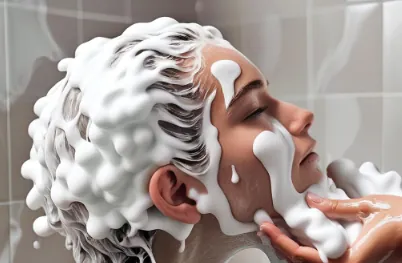
SLES is popular in the formulation of household and personal care products due to its cost-effectiveness, ability to produce rich lather, and its compatibility with a wide range of ingredients. It is a primary surfactant in many shampoos and body washes, providing the foaming action that consumers expect. In toothpaste, it helps in the removal of food particles and in maintaining oral hygiene. Additionally, SLES is used in various cleaning products, including dishwashing liquids and laundry detergents, where its ability to emulsify oils and suspend dirt is highly valued.

Global Trade Overview

On a global scale, the market for SLES is substantial, driven by the continuous demand for personal care and cleaning products. The Asia-Pacific region, particularly China and India, represents a significant portion of this market due to rapid urbanization, increasing disposable income, and rising awareness of personal hygiene. North America and Europe also hold considerable market shares, driven by the established personal care industries and a growing inclination towards premium and organic products, which still often use SLES due to its effectiveness and safety when used within recommended concentrations.

Despite its widespread use, SLES has faced scrutiny regarding its safety and environmental impact. While generally considered safe for use in cosmetics and cleaning products, concerns about skin irritation and the presence of trace impurities like 1,4-dioxane, a potential carcinogen, have led to increased regulatory oversight and demand for higher purity standards in its production. Environmentally, the biodegradability of SLES is a significant factor, and it is generally regarded as biodegradable, but the rate and extent of its degradation can vary depending on environmental conditions.

Overall, Sodium Laureth Sulfate remains a cornerstone ingredient in many formulations due to its versatile properties, economic feasibility, and efficiency. Its continued use is supported by ongoing research and development aimed at improving its safety profile and reducing its environmental footprint, ensuring that it remains a valuable component in the global market for personal care and cleaning products.
Related Reading

Organic Tapioca Maltodextrin: Non-GMO, Clean-Label Bulk Sourcing Guide7 minutes read

Organic Tapioca Maltodextrin: Non-GMO, Clean-Label Bulk Sourcing Guide

Nicky Dandwani

•

22nd Jul 2026

Maltodextrin vs Dextrose vs Sugar vs Corn Syrup: Which Carrier Carb Should You Choose?8 minutes read

Maltodextrin vs Dextrose vs Sugar vs Corn Syrup: Which Carrier Carb Should You Choose?

Nicky Dandwani

•

22nd Jul 2026

Bulk Maltodextrin: 2026 Price per Kg, DE Grades, MOQ & How to Source (Buyer’s Guide)10 minutes read

Bulk Maltodextrin: 2026 Price per Kg, DE Grades, MOQ & How to Source (Buyer’s Guide)

Nicky Dandwani

•

22nd Jul 2026

Glycerin Soap Base Supplier Guide: Bulk Sourcing for Melt-and-Pour, Clear & Vegetable Soap Bases8 minutes read

Glycerin Soap Base Supplier Guide: Bulk Sourcing for Melt-and-Pour, Clear & Vegetable Soap Bases

Nicky Dandwani

•

15th Jul 2026

Citric Acid for Cleaning: Descaling, Water Softening & Washing Machine Uses (Industrial Buyer Guide)7 minutes read

Citric Acid for Cleaning: Descaling, Water Softening & Washing Machine Uses (Industrial Buyer Guide)

Nicky Dandwani

•

12th Jul 2026

Citric Acid Distributor USA: FDA/FCC-Compliant Bulk Sourcing (NJ & Houston Warehouses)7 minutes read

Citric Acid Distributor USA: FDA/FCC-Compliant Bulk Sourcing (NJ & Houston Warehouses)

Nicky Dandwani

•

11th Jul 2026

Omnichannel Chemical Sales: The Strategic Advantage of Digital Product Catalogs8 minutes read

Omnichannel Chemical Sales: The Strategic Advantage of Digital Product Catalogs

Nicky Dandwani

•

20th Oct 2024

What is CAPB?2 minutes read

What is CAPB?

Nicky Dandwani

•

17th Jun 2024

What is CAPB?2 minutes read

What is CAPB?

Nicky Dandwani

•

17th Jun 2024

CAPB – Grades & Specifications1 minute read

CAPB – Grades & Specifications

Nicky Dandwani

•

17th Jun 2024

CAPB – Grades & Specifications1 minute read

CAPB – Grades & Specifications

Nicky Dandwani

•

17th Jun 2024

CAPB Transportation Regulations1 minute read

CAPB Transportation Regulations

Nicky Dandwani

•

17th Jun 2024

CAPB Transportation Regulations1 minute read

CAPB Transportation Regulations

Nicky Dandwani

•

17th Jun 2024

How is CAPB manufactured?2 minutes read

How is CAPB manufactured?

Nicky Dandwani

•

17th Jun 2024

What are the applications of Cocamido Propyl Betaine (CAPB)?1 minute read

What are the applications of Cocamido Propyl Betaine (CAPB)?

Nicky Dandwani

•

17th Jun 2024

CAPB Concerns1 minute read

CAPB Concerns

Nicky Dandwani

•

17th Jun 2024

CAPB- Physical & Chemical Properties1 minute read

CAPB- Physical & Chemical Properties

Nicky Dandwani

•

17th Jun 2024

Sodium Laureth Sulphate (SLES) Concerns3 minutes read

Sodium Laureth Sulphate (SLES) Concerns

Nicky Dandwani

•

1st Jun 2024

Sodium Laureth Sulphate (SLES) – Grades & Specifications2 minutes read

Sodium Laureth Sulphate (SLES) – Grades & Specifications

Nicky Dandwani

•

1st Jun 2024

Related Products

Sodium Laureth Sulphate (SLES)

ELSURFAC™ – SES70

ELSURFAC™ – SES70

Elchemy supplies ELSURFAC™-SES70 Sodium Laureth Sulphate (SLES) in bulk to personal care, home care, and industrial cleaning manufacturers across 40+ countries. SLES is a high-performance anionic surfactant valued for its strong cleansing and foaming action with reduced irritation compared to SLS, making it a workhorse ingredient in shampoos, body washes, hand soaps, dishwashing liquids, and laundry detergents. Formulators planning a sodium laureth sulfate buy can source standard SLES 70% in both 2EO and 3EO variants, with other active levels and customer-specific specifications available on request. Domestic stock is also held at our US warehouses for faster fulfillment to US destinations.

View Details

Elchemy logo is your high-trust gateway to the Indian chemical manufacturers. We offer best payment terms, seasoned chemical consultants, fastest turnaround times, and minimum supply chain risks.