Sodium Benzoate
ELPROTECTTM – NaBZ

Get Pricing for This Product
Need pricing? Request a quote for this product and we'll get back to you shortly.
 Free Samples Available
Speed Up Your Sample Testing Process
We deliver domestic samples within 24 - 48 hours, helping you evaluate product without delays.
Sodium benzoate is the sodium salt of benzoic acid, which exists in this form when dissolved in water. This compound is produced by treating benzoic acid with sodium hydroxide. On a commercial level,…
CAS Number
532-32-1
HS Code
2929.90.5000
INCI Name
Sodium Benzoate
Molecular Formula
C₇H₅NaO₂
Sodium Benzoate
ELPROTECTTM – NaBZ
Sodium benzoate is the sodium salt of benzoic acid, which exists in this form when dissolved in water. This compound is produced by treating benzoic acid with sodium hydroxide. On a commercial level, benzoic acid is produced by the partial oxidation of toluene with oxygen. Sodium…
CAS Number
532-32-1
INCI Name
Sodium Benzoate
HS Code
2929.90.5000
Molecular Formula
C₇H₅NaO₂
Get Pricing for This Product
Need pricing? Request a quote for this product and we'll get back to you shortly.
Free Samples AvailableSpeed Up Your Sample Testing Process
We deliver domestic samples within 24 - 48 hours, helping you evaluate product without delays.
 By
By
Specialty chemicals, delivered right
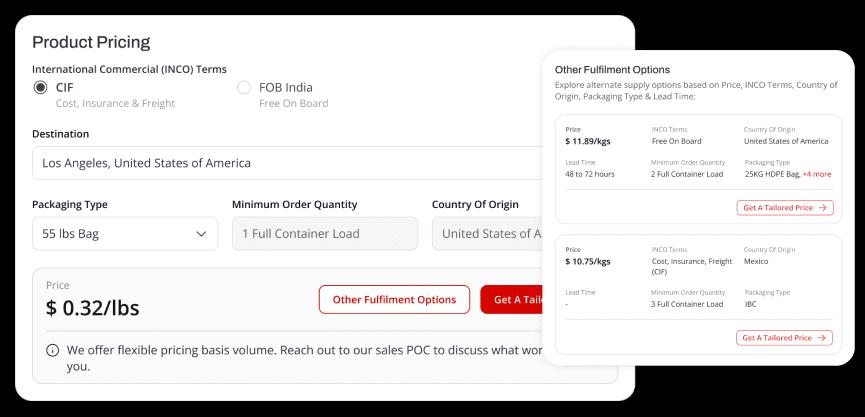
Access live, grade-specific pricing for every chemical, so your teams talks with data, not intuition on Elixir.
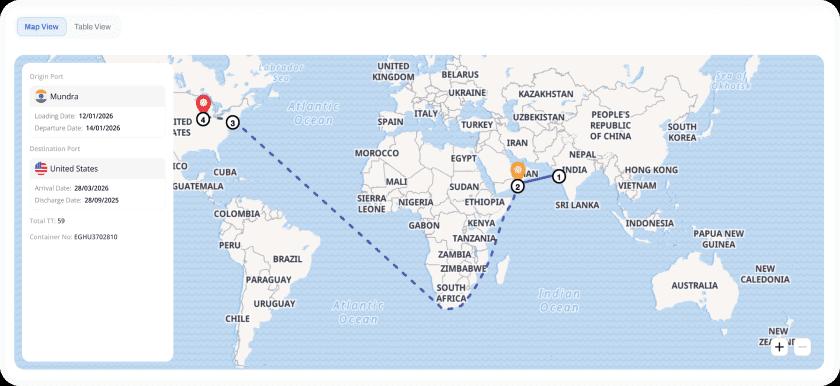
Compare fulfilment options across grades, INCO terms, origins, and lead times: all in one platform.

Live, transparent pricing
Real-time quotes across 12,000+ specialty chemicals.
Product Specification
Physical Properties
| Property | Specification |
|---|---|
| Appearance | White solid |
| Odor | odorless |
| Molecular Weight (G/Mol) | 144.1 |
| Density Or Specific Gravity | 1,44 g/cm3 |
| Ph (If Aqueous Solution) | 7.0-8.5 (25℃, 1M in H2O) |
| Ph | 7.0-8.5 (25℃, 1M in H2O) |
Chemical Properties
| Property | Specification |
|---|---|
| Pka | 4.03[at 20 ℃] |
| Water Solubility | H2O: 1 M at 20 °C |
| Incompatibilities | Oxidisers |
Thermal Properties
| Property | Specification |
|---|---|
| Melting Point | >300 °C (lit.) |
| Flash Point | >100°C |
Processing Methods & Reference Formulations
A. Cosmetic creams
Dissolve sodium benzoate in the water phase before emulsification to ensure uniform distribution. Add it before emulsification to ensure even distribution. Check final pH and adjust if needed for optimal preservation.
| Key Ingredients | Indicative Dosage (% w/w) |
|---|---|
| Water (Purified) | 75.00% |
| Glycerin | 5.00% |
| Stearic Acid | 3.00% |
| Cetyl Alcohol | 3.00% |
| Mineral Oil | 5.00% |
| Glyceryl Monostearate | 3.00% |
| Sodium Benzoate | 0.50% |
| Triethanolamine (TEA) | 1.00% |
| Methylparaben | 0.20% |
| Propylparaben | 0.10% |
| Fragrance | 0.20% |
| Preservative (Phenoxyethanol or similar) | 0.50% |
B. Hair conditioning shampoo
Dissolve sodium benzoate in the aqueous phase before blending with other ingredients to ensure even distribution. Maintain the shampoo’s final pH between 4.5 and 5.5, as sodium benzoate is only effective as a preservative in acidic conditions.
| Key Ingredients | Indicative Dosage (% w/w) |
|---|---|
| Sodium Myreth Sulfate | 10% |
| Ethylhexyl Methoxycinnamate | 0.3% |
| Sodium Benzoate | 0.5% |
| Water | 80-90% |
| Color, perfume, preservative, (Other surfactants, hydrotropes, etc.) |
C. Facial cleansers
Add Sodium Benzoate to the water phase of facial cleanser formulations and ensure it is fully dissolved, using mild heat if needed. Add it before combining with surfactants for uniform distribution. Ensure the final formulation maintains an acidic pH for optimal antimicrobial activity.
| Key Ingredients | Indicative Dosage (% w/w) |
|---|---|
| 65% | |
| 3% | |
| Sodium Lauroyl Sarcosinate (30% in water) | 4.4% |
| Sodium Benzoate | 0.2% |
| Disodium EDTA | 0.1% |
| PEG-200 Hydrogenated Glyceryl Palmate | 0.3% |
| PEG-7 Glyceryl Cocoate | 0.3% |
| PEG-75 | 2% |
| Fragrance | 0.25% |
| Citric Acid | 0.8% |
D. Hair Conditioners
Add Sodium Benzoate to the water phase of hair conditioner formulations, ensuring complete dissolution with gentle heating if necessary. Incorporate before emulsification to ensure even distribution.
| Key Ingredients | Indicative Dosage (% w/w) |
|---|---|
| Behentrimonium Chloride | 2% |
| Cetyl Alcohol | 3% |
| Stearyl Alcohol | 2% |
| Caprylyl Glycol | 0.5% |
| Glyceryl Caprylate | 0.5% |
| Sodium Benzoate | 0.2% |
| Phenoxyethanol | 0.5% |
| Citric Acid | 0.3% |
| Fragrance | 0.2% |
| Water (Aqua) | 70% |
Dosing Guidelines
A. Dosing by Application
| Products | Authorized dosage |
|---|---|
| Lotions & Creams | Upto 0.5% |
| Shampoos & Conditioners | Upto 2.5% |
About Sodium Benzoate
- Reliable Preservative: Prevents microbial growth, extending product shelf life.
- High Purity Standards: Ensures effectiveness across food, cosmetic, and pharmaceutical products.
- Eco-Friendly Production: Minimizes environmental impact, aligning with consumer demand.
- Gentle on Skin: Safe for use in personal care and food applications.
- Versatile Applications: Used in soft drinks, skincare, and over-the-counter medications.
About Sodium Benzoate
- Reliable Preservative: Prevents microbial growth, extending product shelf life.
- High Purity Standards: Ensures effectiveness across food, cosmetic, and pharmaceutical products.
- Eco-Friendly Production: Minimizes environmental impact, aligning with consumer demand.
- Gentle on Skin: Safe for use in personal care and food applications.
- Versatile Applications: Used in soft drinks, skincare, and over-the-counter medications.
Regulatory Compliance
| Region | Max Allowed Level | Notes | Certification Body |
|---|---|---|---|
| China | 2.5% | NMPA - National Medical Products Administration | NMPA - National Medical Products Administration |
| Japan | 2.5% | Not specifically restricted by law, but Japanese industry follows international standards | MHLW – Ministry of Health, Labour and Welfare |
| Republic of Korea | 2.5% | MFDS - Ministry of Food and Drug Safety | MFDS - Ministry of Food and Drug Safety |
| United States | 0.5% | In the United States sodium benzoate is on the FDA list of substances that are generally recognised as safe (GRAS). Sodium Benzoate is permitted in oral medicines up to 0.5%, in drugs parenterally administered up to 0.5% and in cosmetics up to 0.5%. | FDA |
| ASEAN | 2.5% | ASEAN | - |
| European Union | 2.5% | States that benzoic acid and its salt are safe for use at a maximum concentration of 2.5 % in cosmetic rinse-off products and in cosmetic oral-care products upto 1.7 %, and in leave-on products up to 0.5 %. | SCCS (Scientific Committee on Consumer Safety) |
FAQs - Sodium Benzoate
Related Products



Related Products

Streamline
Your Chemical
Procurement
Get fast responses from real experts