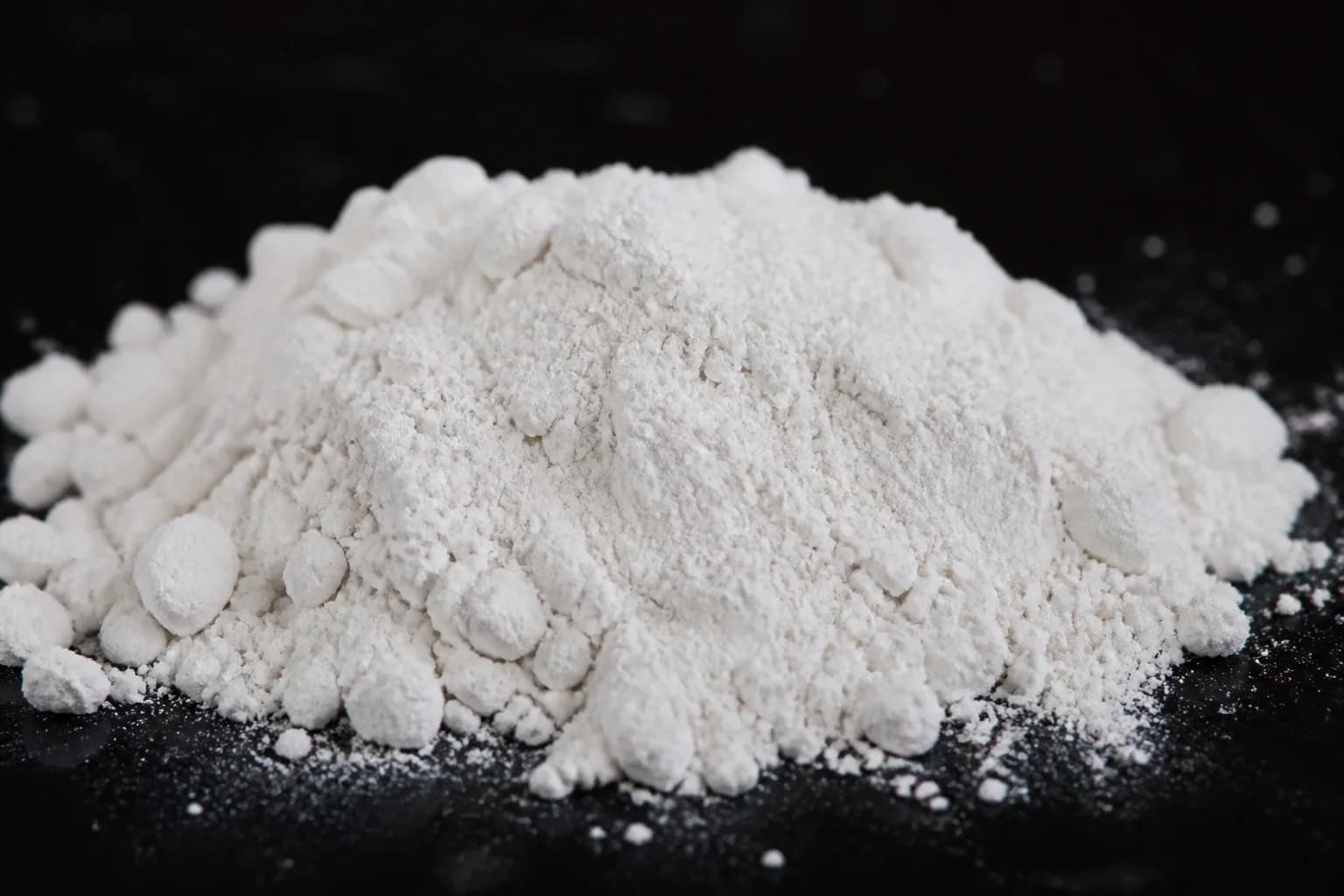
Kaolin
ELRASATM – Kaolin

Get Pricing for This Product
Need pricing? Request a quote for this product and we'll get back to you shortly.
 Free Samples Available
Speed Up Your Sample Testing Process
We deliver domestic samples within 24 - 48 hours, helping you evaluate product without delays.
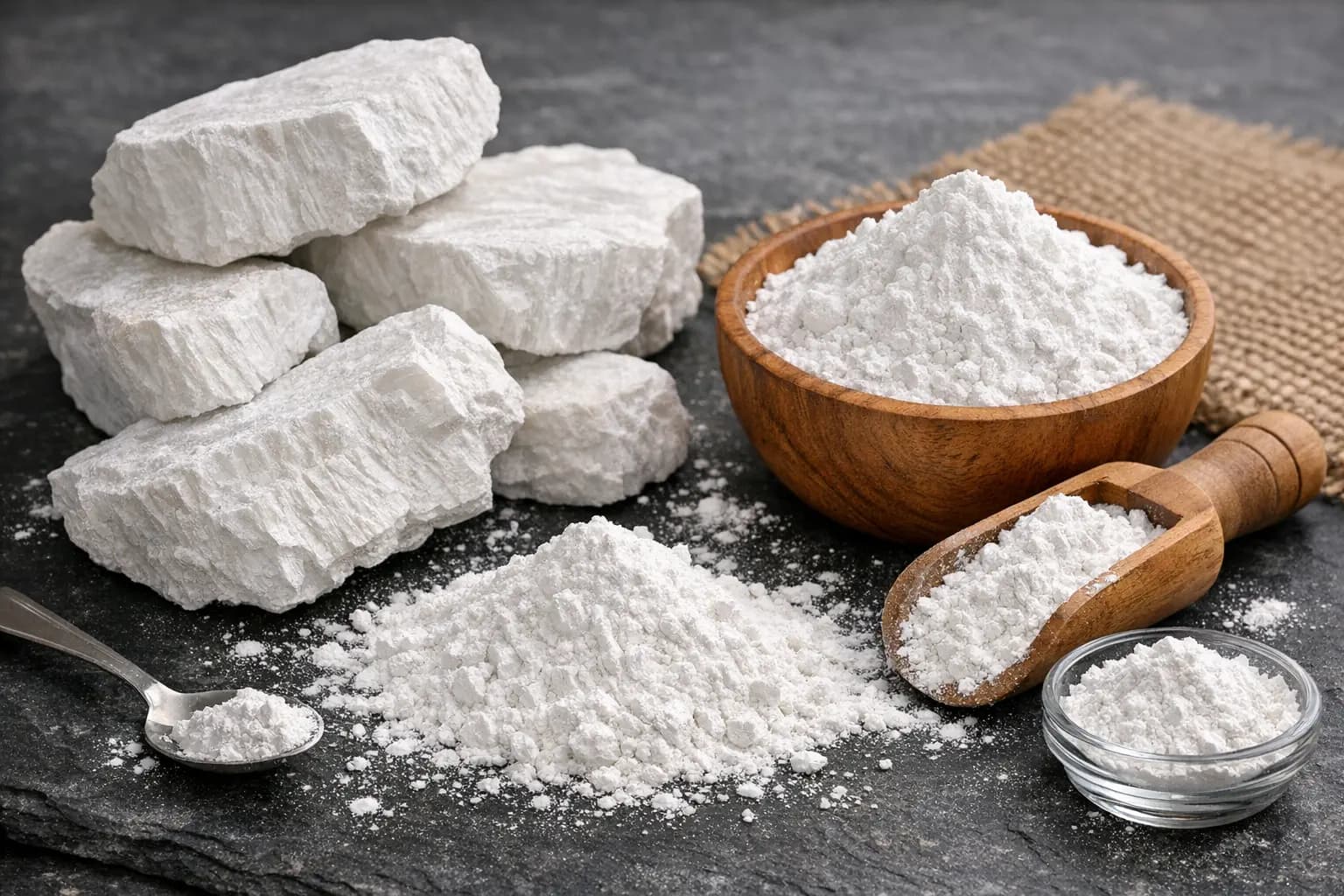
Kaolin, appears as odorless, commonly known as China clay, is a soft, white clay mineral composed chiefly of kaolinite, hydrous aluminosilicate. Mined worldwide, it has diverse industrial…
CAS Number
1332-58-7
HS Code
2507 00 20
INCI Name
Kaolin
Molecular Formula
Al₂Si₂O₅(OH)₄
Kaolin
ELRASATM – Kaolin
Kaolin, appears as odorless, commonly known as China clay, is a soft, white clay mineral composed chiefly of kaolinite, hydrous aluminosilicate. Mined worldwide, it has diverse industrial applications, from ceramics and paper production to cosmetics and pharmaceuticals. Its…
CAS Number
1332-58-7
INCI Name
Kaolin
HS Code
2507 00 20
Molecular Formula
Al₂Si₂O₅(OH)₄
Get Pricing for This Product
Need pricing? Request a quote for this product and we'll get back to you shortly.
Free Samples AvailableSpeed Up Your Sample Testing Process
We deliver domestic samples within 24 - 48 hours, helping you evaluate product without delays.
 By
By
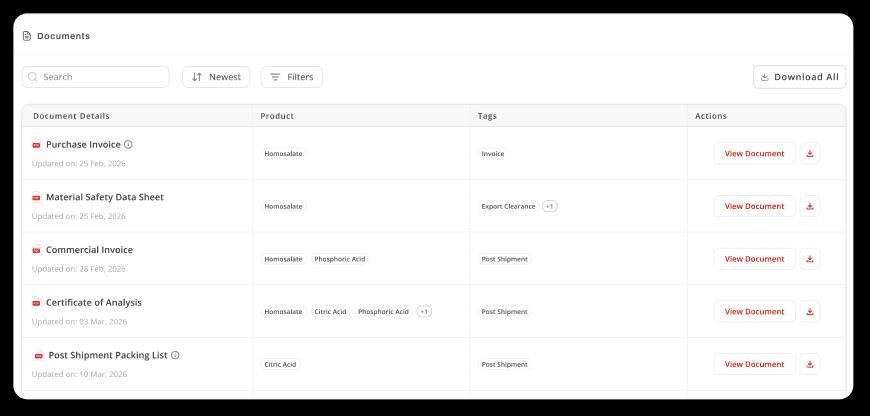
Specialty chemicals, delivered right
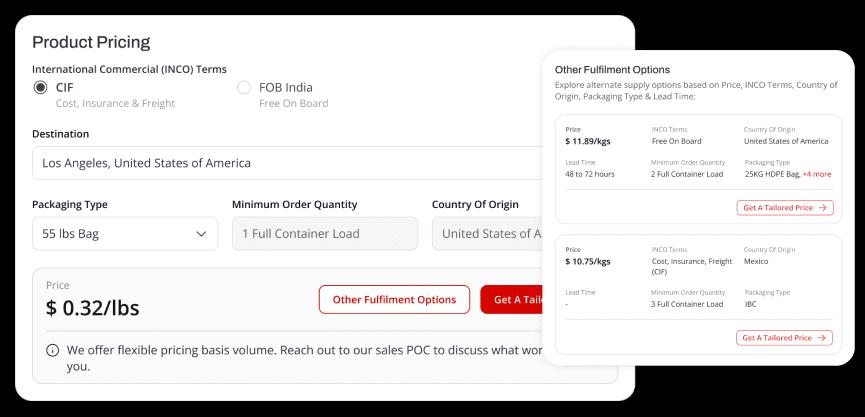
Access live, grade-specific pricing for every chemical, so your teams talks with data, not intuition on Elixir.
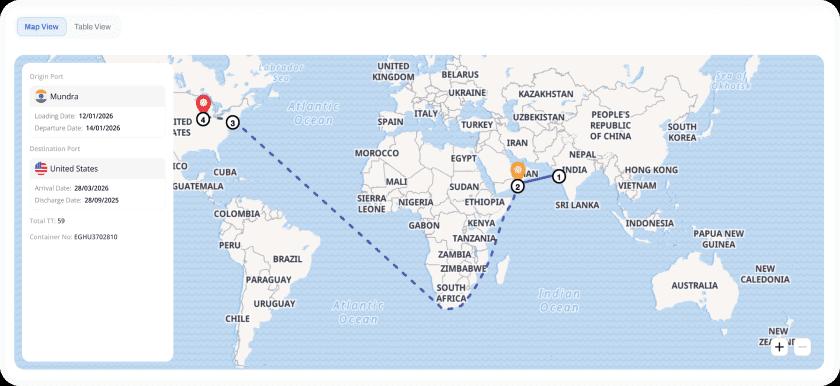
Compare fulfilment options across grades, INCO terms, origins, and lead times: all in one platform.

Live, transparent pricing
Real-time quotes across 12,000+ specialty chemicals.
Product Specification
Physical Properties
| Property | Specification |
|---|---|
| Appearance | fine white powder |
| Odor | Odorless when dry; develops an earthy or clay-like odor when wet. |
| Molecular Weight | 258.16 g/mol |
| Density | 2.6 g/cm³ |
| Specific Gravity | 2.58 - 2.63 |
| Viscosity | Not a property of the dry powder. In aqueous slurries, viscosity is highly dependent on solids concentration, pH, and the presence of dispersants. Slurries are typically shear-thinning. |
| Refractive Index | 1.55 - 1.62 |
| Ph (Aqueous Solution) | 6.0 - 8.0 (in slurry) |
| Assay / Purity | Technical grades are primarily composed of the mineral kaolinite but contain other minerals as impurities. A typical composition is: SiO₂: 55-58%, Al₂O₃: 33-35%, Fe₂O₃: 0.1%. |
Chemical Properties
| Property | Specification |
|---|---|
| Pka | No reliable source found. |
| Ionic Nature | Electrostatically neutral between layers with a low cation-exchange capacity. Surface charge is pH-dependent. |
| Incompatibilities | Strong oxidizing agents. |
| Hazardous Reactions / Decomposition Products | Material is stable under normal conditions. No hazardous decomposition products are known. |
Thermal Properties
| Property | Specification |
|---|---|
| Melting Point | 740-1785 °C |
| Boiling Point | Not applicable; decomposes. |
| Flash Point | Not applicable; non-combustible solid. |
| Autoignition Temperature | Not applicable. |
| Decomposition Temperature | Dehydroxylation to metakaolin occurs at approximately 400 - 550 °C. |
| Thermal Stability | Thermally stable up to approximately 600 °C. |
Processing Methods & Reference Formulations
A. Creamy Clay Face Mask (Anhydrous)
An oil-based, creamy mask that is easy to apply and rinses off cleanly with water.
| Key Ingredients | Indicative Dosage (% w/w) |
|---|---|
| Safflower Oil | 47.5% |
| French Green Clay | 40% |
| Cetyl Alcohol | 5% |
| Emulsifying Wax NF | 7% |
| Vitamin E Oil | 0.5% |
B. Rich Mud Mask
A rich, oil-based mask designed to moisturize while drawing out impurities.
| Key Ingredients | Indicative Dosage (% w/w) |
|---|---|
| Bentonite Clay | 42.4% |
| Kaolin Clay | 18.6% |
| Rhassoul Clay | 18.6% |
| Meadowfoam Oil | 16.9% |
| Tamanu Oil | 1.7% |
| Vitamin E Oil | 1.7% |
| Buckthorn Extract | 0.17% |
C. Moisturizing Clay Mask
A water-based clay mask formulation designed for skin moisturizing, optimized from a simplex lattice design study.
| Key Ingredients | Indicative Dosage (% w/w) |
|---|---|
| Niacinamide | 2.5% |
| Alpha Arbutin | 1.0% |
| Ceramide | 2.5% |
| Hyaluronic Acid | 0.5% |
| Kaolin | 0.8% |
| Bentonite | 0.2% |
| Glycerin | 3.3% |
| Propylene Glycol | 7.7% |
| Xanthan Gum | 1.1% |
| Phenoxyethanol | 0.5% |
| Coffee Essence | q.s. |
| Distilled Water | ad 100% |
Dosing Guidelines
A. Dosing by Application
| Application | Recommended / Max Dosage |
|---|---|
| Cosmetics (General) | 4% - 20% |
| Face Masks | 10% - 40% |
| Face Powders | Up to 15% |
| Lipsticks | Up to 14.5% |
| Eye Shadows | Up to 8.5% |
| Paints (as extender) | 2% - 15% of total pigment |
| Paper (as filler) | 10% - 15% of total solids |
| Paper (as coating) | 20% - 30% of coating formulation |
| Agriculture (foliar spray) | 2% - 5% solution (2-5 kg per 100 L water) |
About Kaolin
Kaolin, also known as China clay, is a highly sought-after, versatile mineral prized for its purity and unique physical properties. Our kaolin stands out due to its fine texture, soft feel, and impressive chemical composition, making it a top choice for industries that demand consistency and reliability.
What makes our kaolin superior? The first thing that sets our product apart is its high purity. Sourced from well-established kaolin producers, this clay contains an exceptionally low level of impurities, ensuring a clean, white powder that meets the highest quality standards. Its fine particle size contributes to its smooth texture, ideal for those who need a highly refined material.
Another remarkable feature is the consistent chemical composition. Our kaolin is primarily composed of the mineral kaolinite, giving it a perfect balance of aluminum and silicate minerals. This balance results in a stable material that can withstand various conditions without compromising its integrity. The pH-neutral nature of our kaolin allows it to blend seamlessly into different formulations, without altering the overall chemistry.
The excellent dispersion properties of our kaolin make it easy to mix into liquids and other solutions. Whether you're incorporating it into a slurry or a fine powder blend, it disperses effortlessly and stays suspended without clumping. This reduces processing time and ensures a smooth, even consistency in the final product.
Our kaolin also boasts superior brightness and whiteness, making it visually appealing and highly sought after in industries where appearance matters. Its natural whiteness comes without the need for chemical bleaching, a testament to the high-grade quality of this mineral.
As experienced kaolin manufacturers, we understand the importance of delivering a product that exceeds expectations. Every batch is carefully processed to maintain uniformity and purity, giving you a reliable material you can count on.
Choose our kaolin for a high-quality, consistently superior product that delivers performance and reliability from trusted kaolin producers who understand the industry inside and out.
- Fine Particle Size: Delivers a smooth texture, perfect for refined applications.
- Function: Absorbent, Anti-caking agent, Bulking agent, Opacifier, Abrasive.
- Stable Chemical Composition: Predominantly composed of kaolinite, offering an ideal balance of aluminum and silicate minerals for reliability.
- Features: High fusion point, chemically unreactive, soft and non-abrasive texture, fine particle size.
- pH-Neutral: Easily integrates into formulations without altering chemical properties.
- Benefits: Improves texture, absorbs excess oil and moisture, provides coverage and opacity in coatings and cosmetics, acts as a reinforcing filler in polymers and rubber.
- Excellent Dispersion: Effortlessly disperses into liquids and solutions, ensuring smooth, uniform consistency.
About Kaolin
Kaolin, also known as China clay, is a highly sought-after, versatile mineral prized for its purity and unique physical properties. Our kaolin stands out due to its fine texture, soft feel, and impressive chemical composition, making it a top choice for industries that demand consistency and reliability.
What makes our kaolin superior? The first thing that sets our product apart is its high purity. Sourced from well-established kaolin producers, this clay contains an exceptionally low level of impurities, ensuring a clean, white powder that meets the highest quality standards. Its fine particle size contributes to its smooth texture, ideal for those who need a highly refined material.
Another remarkable feature is the consistent chemical composition. Our kaolin is primarily composed of the mineral kaolinite, giving it a perfect balance of aluminum and silicate minerals. This balance results in a stable material that can withstand various conditions without compromising its integrity. The pH-neutral nature of our kaolin allows it to blend seamlessly into different formulations, without altering the overall chemistry.
The excellent dispersion properties of our kaolin make it easy to mix into liquids and other solutions. Whether you're incorporating it into a slurry or a fine powder blend, it disperses effortlessly and stays suspended without clumping. This reduces processing time and ensures a smooth, even consistency in the final product.
Our kaolin also boasts superior brightness and whiteness, making it visually appealing and highly sought after in industries where appearance matters. Its natural whiteness comes without the need for chemical bleaching, a testament to the high-grade quality of this mineral.
As experienced kaolin manufacturers, we understand the importance of delivering a product that exceeds expectations. Every batch is carefully processed to maintain uniformity and purity, giving you a reliable material you can count on.
Choose our kaolin for a high-quality, consistently superior product that delivers performance and reliability from trusted kaolin producers who understand the industry inside and out.
- Fine Particle Size: Delivers a smooth texture, perfect for refined applications.
- Function: Absorbent, Anti-caking agent, Bulking agent, Opacifier, Abrasive.
- Stable Chemical Composition: Predominantly composed of kaolinite, offering an ideal balance of aluminum and silicate minerals for reliability.
- Features: High fusion point, chemically unreactive, soft and non-abrasive texture, fine particle size.
- pH-Neutral: Easily integrates into formulations without altering chemical properties.
- Benefits: Improves texture, absorbs excess oil and moisture, provides coverage and opacity in coatings and cosmetics, acts as a reinforcing filler in polymers and rubber.
- Excellent Dispersion: Effortlessly disperses into liquids and solutions, ensuring smooth, uniform consistency.
Regulatory Compliance
| Region | Max Allowed Level | Notes | Certification Body |
|---|---|---|---|
| United States | 4% | Kaolin is affirmed as Generally Recognized as Safe (GRAS) for indirect food contact (e.g., paper and paperboard) under 21 CFR 186.1256. It is also an approved over-the-counter (OTC) active ingredient for skin protection at 4-20% concentration. The Cosmetic Ingredient Review (CIR) Expert Panel concluded that Kaolin is safe for use in cosmetics. | For OTC drug claims, facilities must be FDA registered and operate under cGMP guidelines. For general cosmetic use, no specific certifications are mandated beyond standard quality practices. |
| European Union | - | Kaolin is not restricted for use in cosmetics. It is listed in Annex IV of Regulation (EC) No. 1223/2009 as an allowed colorant (CI 77004). The substance does not require registration under REACH for its natural occurrence. | While not mandatory for the ingredient itself, finished cosmetic products require a Product Information File (PIF) and must be manufactured according to Good Manufacturing Practices (GMP). |
| Canada | - | Kaolin is not listed on Health Canada's Cosmetic Ingredient Hotlist of prohibited or restricted substances. | No specific certifications required for the ingredient. Manufacturers must notify Health Canada before selling a cosmetic product. |
| India | - | Cosmetic products are regulated under the Drugs and Cosmetics Act 1940. The Bureau of Indian Standards (BIS) sets standards for ingredients, such as IS 505 for Light Kaolin. It is generally recognized as safe. | No specific certifications required for the ingredient, but finished products must comply with BIS standards. |
| Japan | - | Kaolin is not specifically restricted in cosmetics. Ingredients in quasi-drugs must comply with the Japanese Standards of Quasi-drug Ingredients (JSQI), but for general cosmetics, the standards are less prescriptive. | No specific certifications required for the ingredient in general cosmetics. Quasi-drugs require pre-market approval from the MHLW. |
| Australia | - | Kaolin is not listed as a restricted or prohibited ingredient by the Australian Industrial Chemicals Introduction Scheme (AICIS). | No specific certifications required. Importers or manufacturers must be registered with AICIS. |
| China | - | Kaolin is listed in the Inventory of Existing Cosmetic Ingredients in China (IECIC). | No specific certifications required for the ingredient. Finished products require registration or filing with the NMPA. |
| Republic of Korea | - | Kaolin is permitted for use in cosmetics. The Ministry of Food and Drug Safety (MFDS) regulates cosmetics, with a distinction between general and functional cosmetics. | No specific certifications required for the ingredient. Functional cosmetics require pre-market approval from the MFDS. |
| ASEAN | - | Kaolin is not listed on the Annexes of the ASEAN Cosmetic Directive as a prohibited or restricted substance. | No specific certifications required for the ingredient. Finished products must comply with the ASEAN Cosmetic Directive, including Good Manufacturing Practices (GMP). |
FAQs - Kaolin
Related Products
Related Products

Streamline
Your Chemical
Procurement
Get fast responses from real experts