Products
Our Technology
Sustainability & Compliance

Home/Products/BTAC 80%

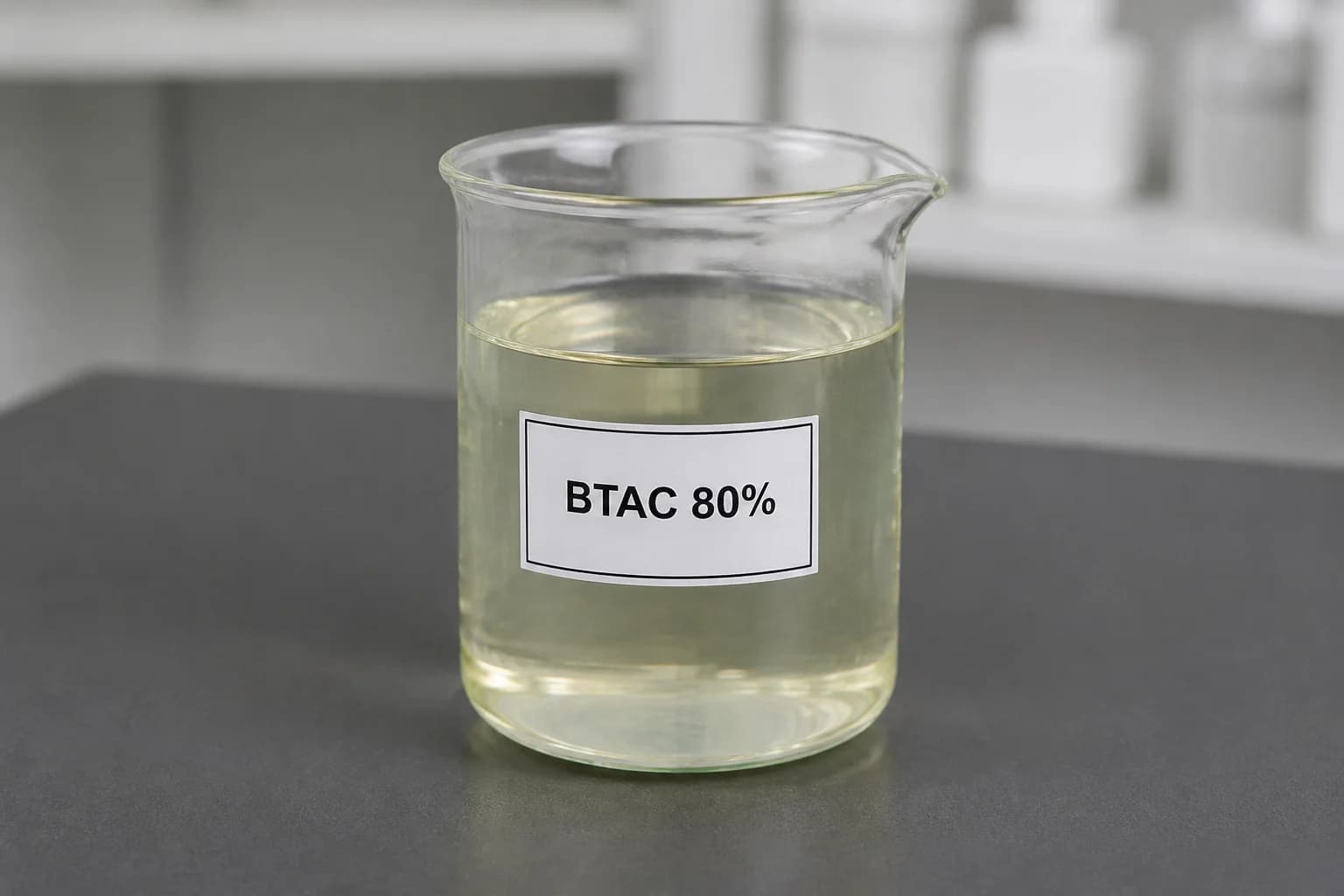
BTAC 80%
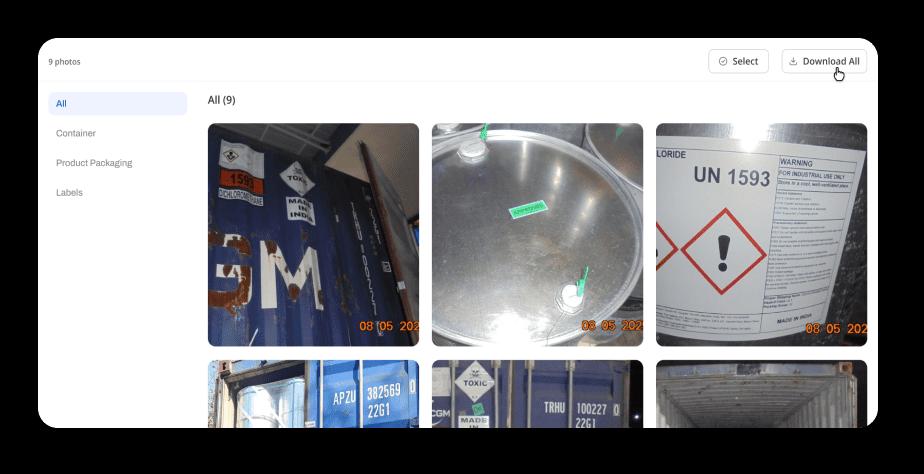
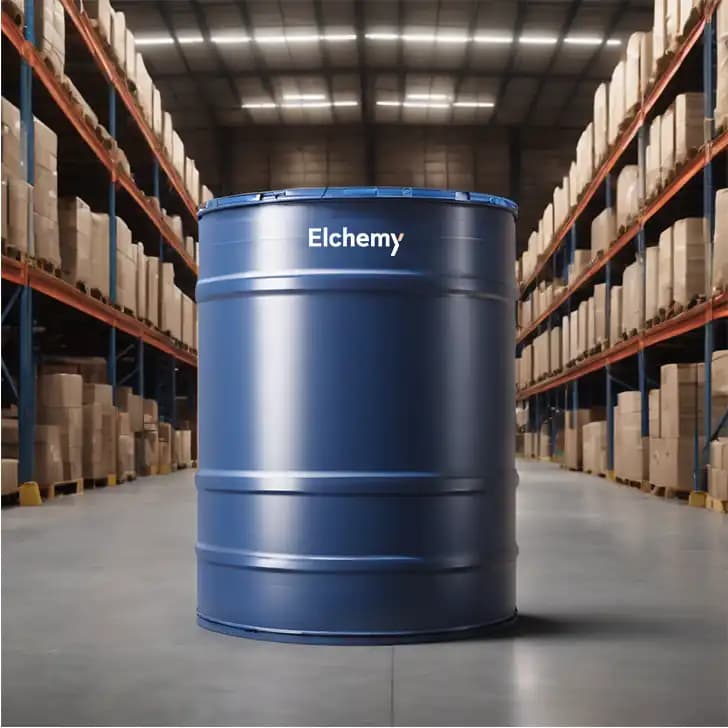
HDPE Drums

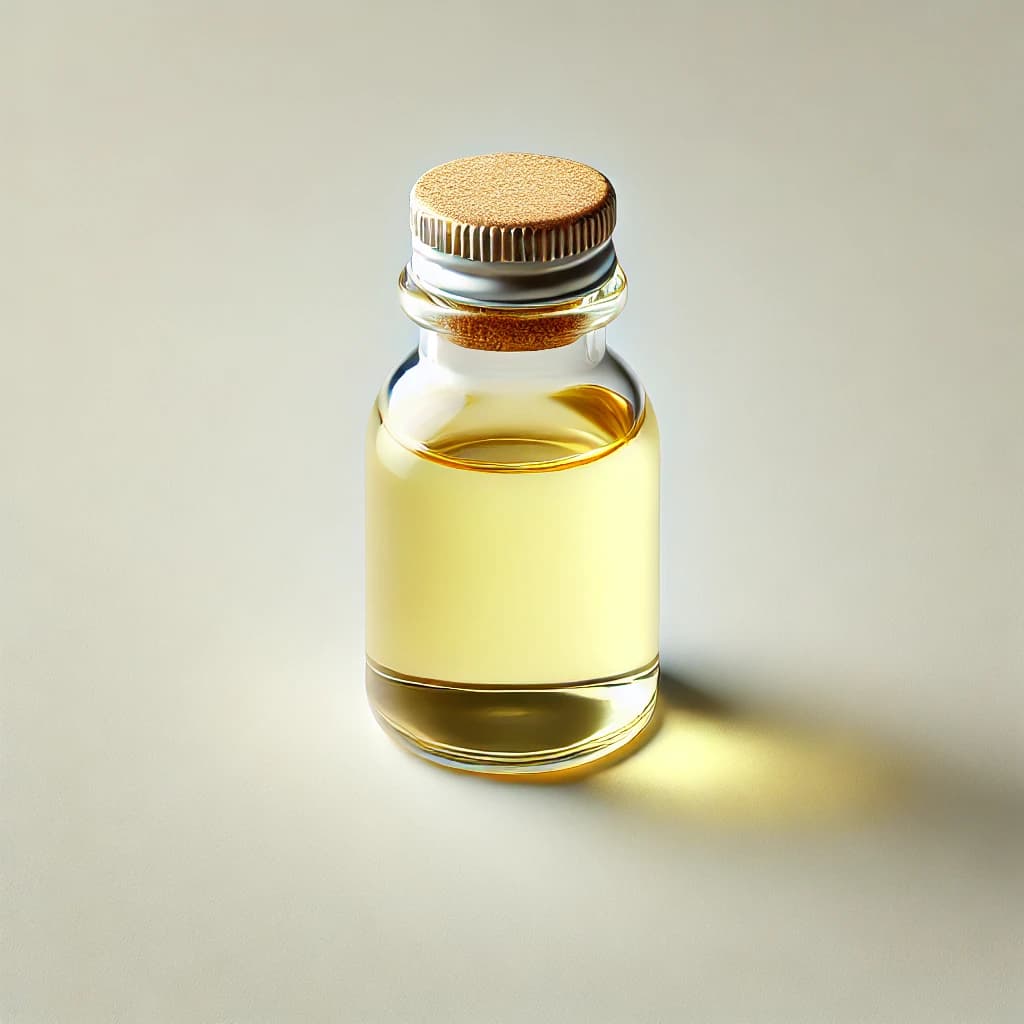
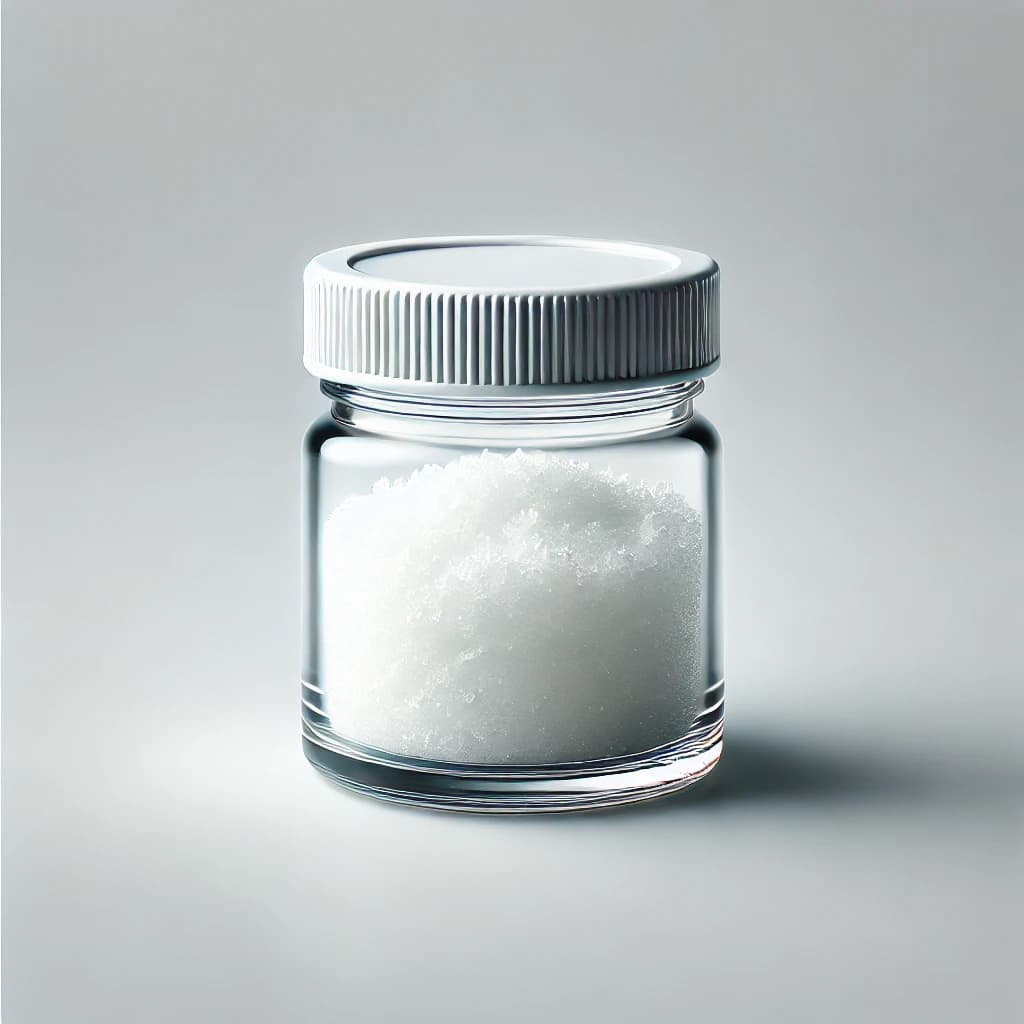
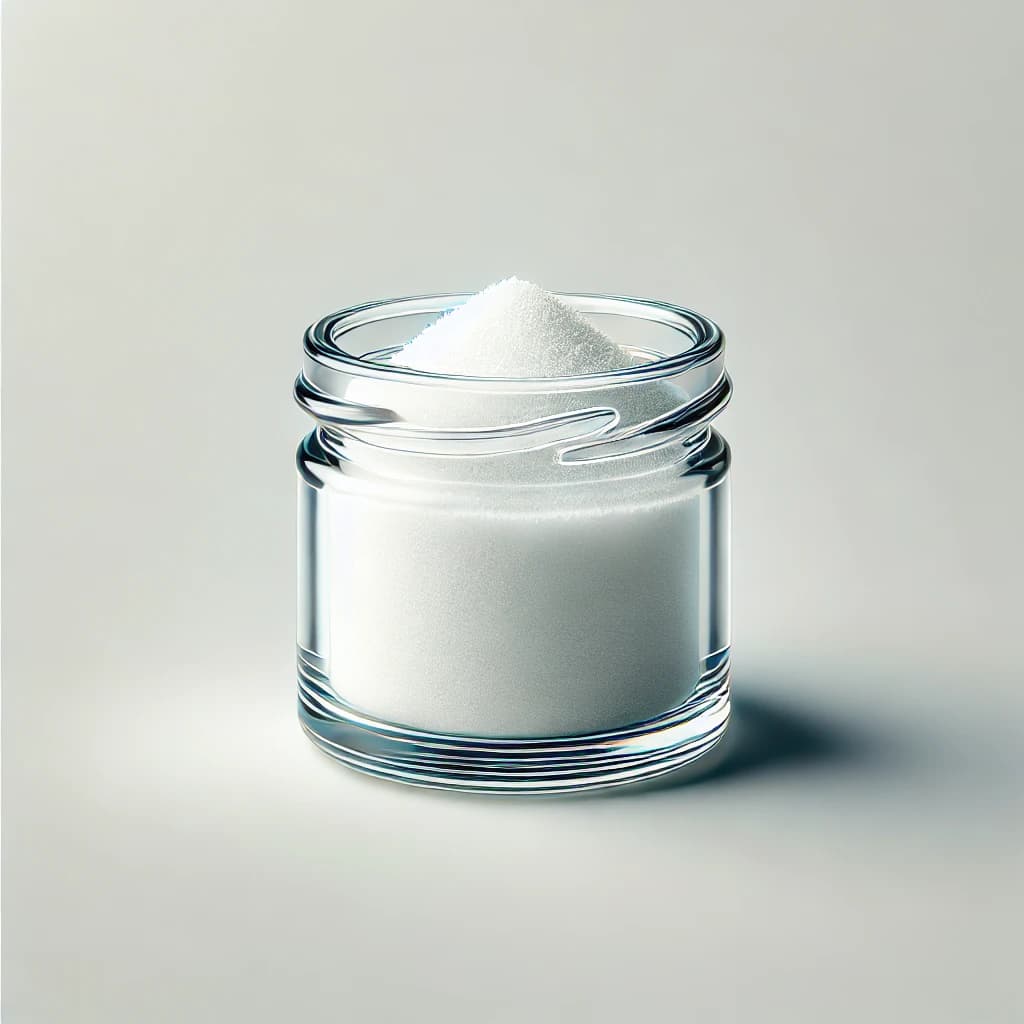
BTAC 80%

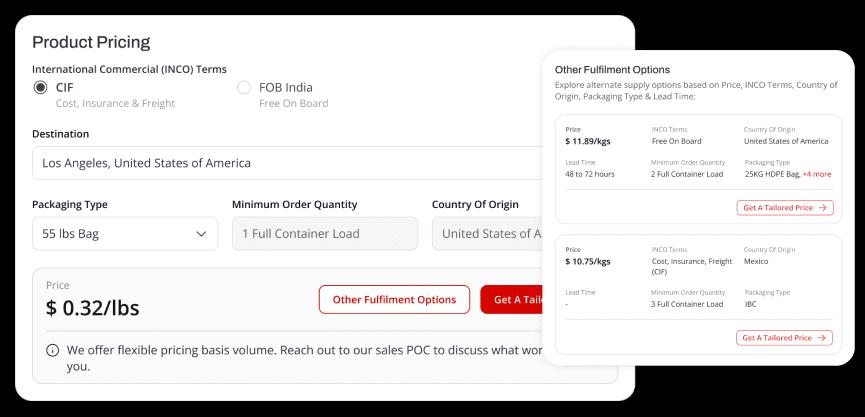
Get Pricing for This Product

Need pricing? Request a quote for this product and we'll get back to you shortly.

Speed Up Your Sample Testing Process

Express Delivery in 24–48 Hours

BTAC 80% is a cationic surfactant with strong antimicrobial activity, used in personal care, fabric softeners, and industrial cleaning. It reduces static, softens hair and fabric, and inhibits

CAS Number

8001-54-5

HS Code

38089290

INCI Name

-

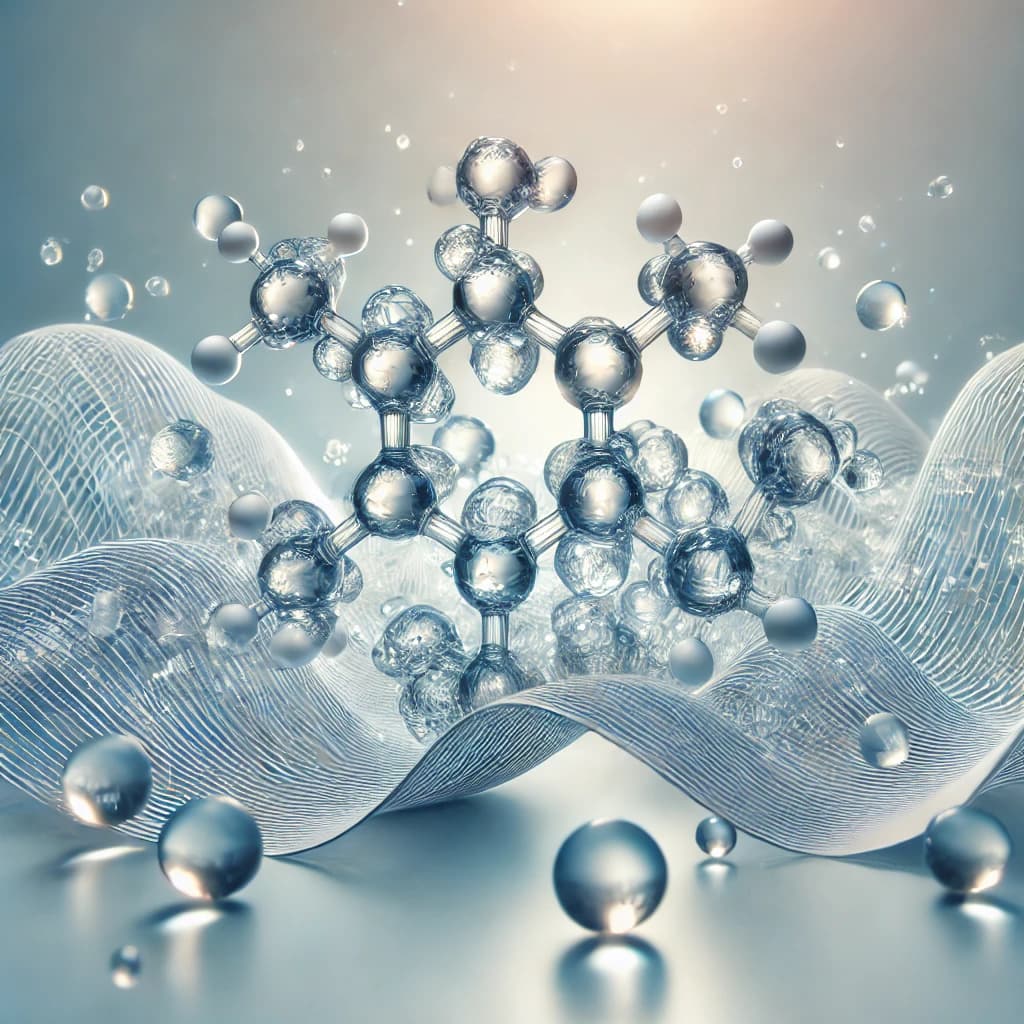
Molecular Formula

C6H5CH2N(CH3)2RCl

Home/Products/BTAC 80%

BTAC 80%

BTAC 80% is a cationic surfactant with strong antimicrobial activity, used in personal care, fabric softeners, and industrial cleaning. It reduces static, softens hair and fabric, and inhibits bacterial growth.

CAS Number

8001-54-5

INCI Name

-

HS Code

38089290

Molecular Formula

C6H5CH2N(CH3)2RCl

Get Pricing for This Product

Need pricing? Request a quote for this product and we'll get back to you shortly.

Speed Up Your Sample Testing Process

We deliver domestic samples within 24 - 48 hours, helping you evaluate products and move to procurement without delays.

BTAC 80%
HDPE Drums

About BTAC 80%

About BTAC 80%

FAQs - BTAC 80%

Is BTAC biodegradable?
It is partially biodegradable, depending on its usage and application.
Is BTAC safe for fabric applications?
Yes, it is safe and has been tested for use in textiles.
How does BTAC 80% function as an antimicrobial agent?
BTAC 80% inhibits bacterial growth, making it ideal for industrial cleaning and textile applications.
Can BTAC 80% be used in fabric softeners for sensitive skin?
Yes, its gentle action softens fabrics without causing irritation.
What is the pH range for optimal performance of BTAC 80%?
The optimal pH range for BTAC 80% is between 6 and 8 for best efficacy.

Related Products

Benzalkonium Chloride (BKC)

Benzalkonium Chloride (BKC)

Alkyldimethylbenzylammonium chloride (ADBAC), another name for benzoalkonium chloride, is a cationic surfactant that is used in skin antiseptics, wound wash sprays, throat lozenges, mouthwashes, spermicidal creams, floor cleaners, and algaecide products. Moreover, it is employed in industrial and non-consumer settings for tasks like surgical disinfection. Alkylbenzyldimethylammonium chlorides with a range of even-numbered alkyl chain lengths are combined to form ADBACs.

View Details
Ammonium Lauryl Sulfate (ALS)

Ammonium Lauryl Sulfate (ALS)

Ammonium Lauryl Sulfate belongs to the class of anionic surfactants. The ammonium group in ALS makes it water-soluble. The ability of ALS to create a rich lather contributes to its effectiveness in removing dirt, oil, and other impurities from the skin and hair, making it a popular ingredient in products such as shampoos, body washes, and facial cleansers.

View Details
Oleic Acid

Oleic Acid

Oleic acid is a monounsaturated fatty acid found in various plant oils (like olive and canola) and animal fats, commonly used in cooking, cosmetics, and industrial applications. It offers cardiovascular and anti-inflammatory benefits, making it valuable for both health and product formulations. It is classified as an omega-9 fatty acid.

View Details
Lauric Acid

Lauric Acid

Lauric acid, a saturated fatty acid found in coconut oil and palm kernel oil, is widely used in the home and personal care industry due to its antimicrobial properties and emulsifying abilities.Lauric acid’s versatility, gentle nature, and effectiveness make it a staple ingredient in home and personal care formulations.

View Details
Palmitic Acid

Palmitic Acid

Palmitic acid is a long-chain saturated fatty acid obtained from palm oil and animal fats, widely employed for its emollient, thickening, and stabilizing properties in personal care, food, and industrial applications, offering high thermal stability and enhanced texture control.

View Details

Related Products

Benzalkonium Chloride (BKC)

Benzalkonium Chloride (BKC)

Alkyldimethylbenzylammonium chloride (ADBAC), another name for benzoalkonium chloride, is a cationic surfactant that is used in skin antiseptics, wound wash sprays, throat lozenges, mouthwashes, spermicidal creams, floor cleaners, and algaecide products. Moreover, it is employed in industrial and non-consumer settings for tasks like surgical disinfection. Alkylbenzyldimethylammonium chlorides with a range of even-numbered alkyl chain lengths are combined to form ADBACs.

View Details
Ammonium Lauryl Sulfate (ALS)

Ammonium Lauryl Sulfate (ALS)

Ammonium Lauryl Sulfate belongs to the class of anionic surfactants. The ammonium group in ALS makes it water-soluble. The ability of ALS to create a rich lather contributes to its effectiveness in removing dirt, oil, and other impurities from the skin and hair, making it a popular ingredient in products such as shampoos, body washes, and facial cleansers.

View Details
Oleic Acid

Oleic Acid

Oleic acid is a monounsaturated fatty acid found in various plant oils (like olive and canola) and animal fats, commonly used in cooking, cosmetics, and industrial applications. It offers cardiovascular and anti-inflammatory benefits, making it valuable for both health and product formulations. It is classified as an omega-9 fatty acid.

View Details
Lauric Acid

Lauric Acid

Lauric acid, a saturated fatty acid found in coconut oil and palm kernel oil, is widely used in the home and personal care industry due to its antimicrobial properties and emulsifying abilities.Lauric acid’s versatility, gentle nature, and effectiveness make it a staple ingredient in home and personal care formulations.

View Details

Streamline
Your Chemical
Procurement

Get fast responses from real experts

Phone